The Mat Teaches What the Classroom Doesn’t
Four months into judo, I’m starting to understand why it’s called “the gentle way” — and why gentleness might be the hardest thing to learn.
JŪDŌ: MORE THAN A SPORT
The word judo (柔道) breaks down simply: jū means gentle or flexible, dō means way or path. Jigoro Kano founded it in 1882 not just as a fighting system, but as a philosophy of self-improvement. His two guiding principles — seiryoku zen’yō (maximum efficiency with minimum effort) and jita kyōei (mutual welfare and benefit) — are not just dojo mottos. They’re genuinely useful frameworks for thinking about almost anything.
The first lesson is a humbling one: you cannot force judo. The whole point is to use your opponent’s energy and momentum rather than resist it. When I tried to muscle through a throw in my early sessions, it never worked. The moment I stopped fighting the force and started redirecting it, something clicked. It’s a physical metaphor I keep thinking about outside the dojo.
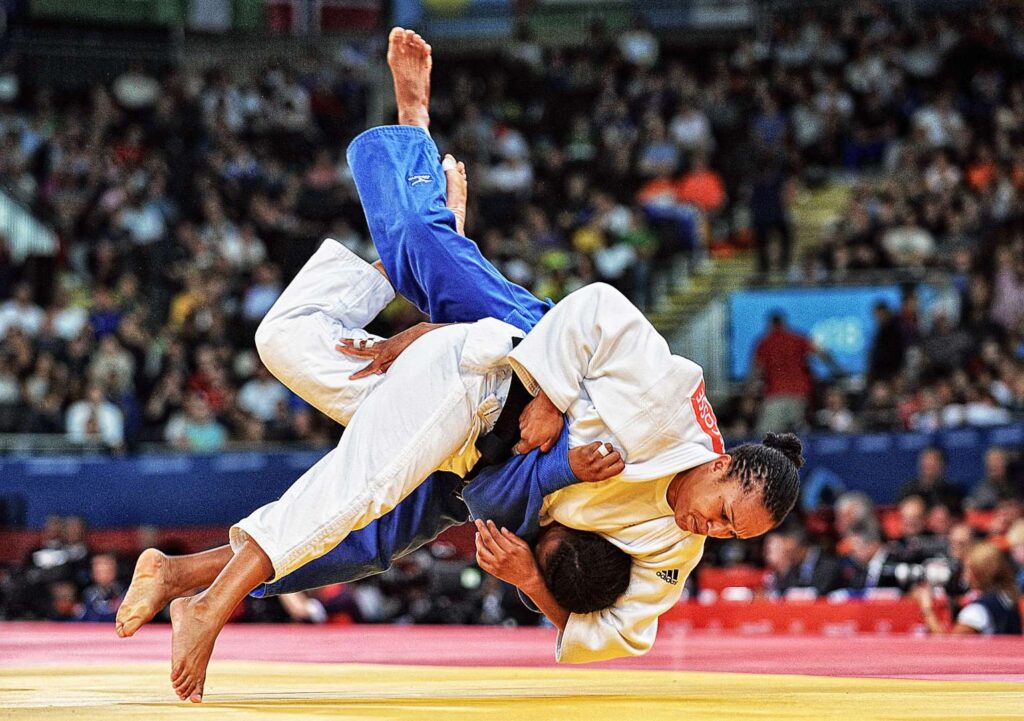
“In judo, the harder you grip, the easier you fall. You learn to hold firmly but stay loose — and somehow that changes how you approach everything else.”
WHAT IT DOES FOR FOCUS
Judo is completely present-moment: if your mind drifts for half a second during randori (free sparring), you’re on the floor. That level of focus is rare, and I’ve found it carries over. I’m better at blocking out distractions when I need to concentrate on something difficult.
There’s also something to be said for the physicality of learning. A technique doesn’t exist until your body has repeated it hundreds of times. No shortcut, no optimization — just repetition and patience. For someone who tends to look for the most efficient path through a problem, that forced patience has been genuinely instructive.
FAILING IN PUBLIC
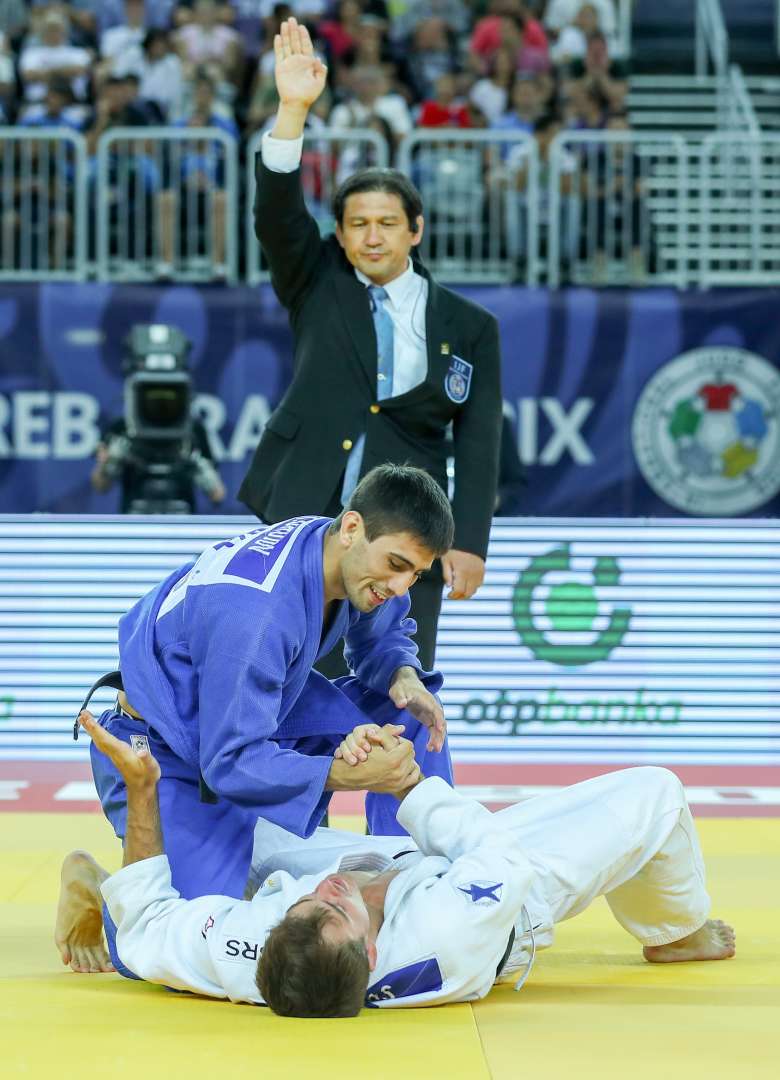
The belt exam was a useful experience for a different reason. You perform in front of judges, coaches, and other students — ukemi (falling technique), basic throws, groundwork. I made mistakes. Everyone does. But the culture in a dojo is strangely comfortable with failure: you fall, you get up, you go again.
FOUR MONTHS IN
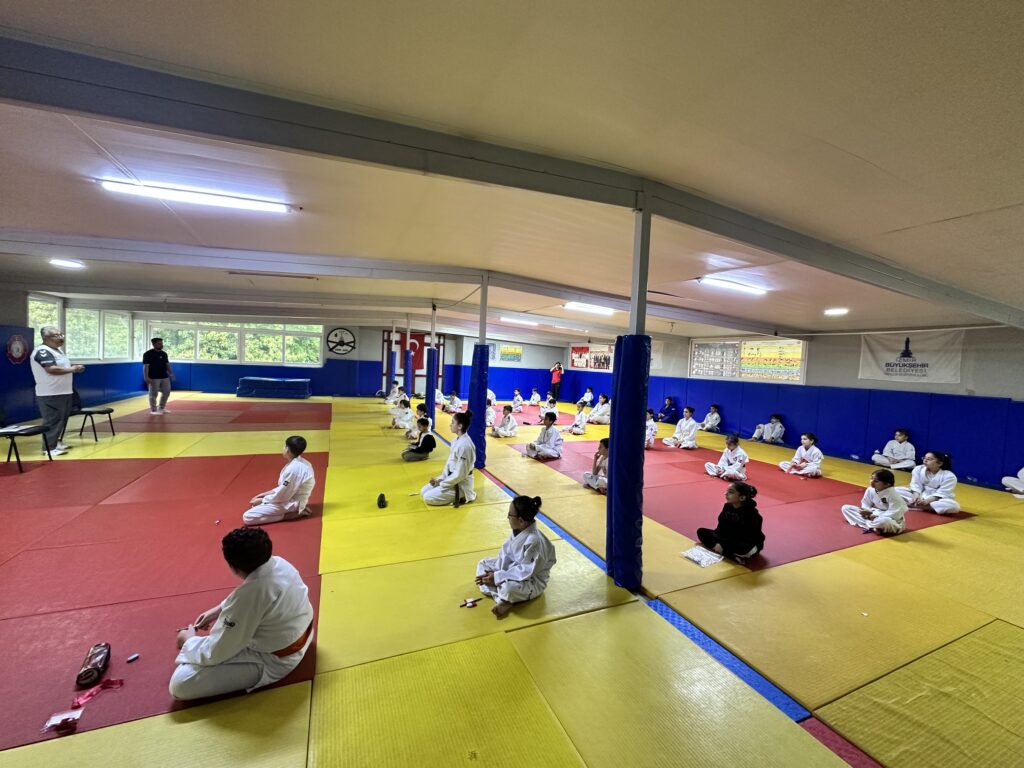
I’m a yellow-white belt now, which means I’m very much a beginner. I train at İzmir Büyükşehir Belediye Spor, and the level there is serious. I get thrown by people half my height regularly, which is its own kind of education.
If you’re thinking about starting a martial art and want something that rewards patience as much as strength, judo is worth a serious look. The gentle way turns out to be one of the more demanding ones